
A Short History of Brockwell Park
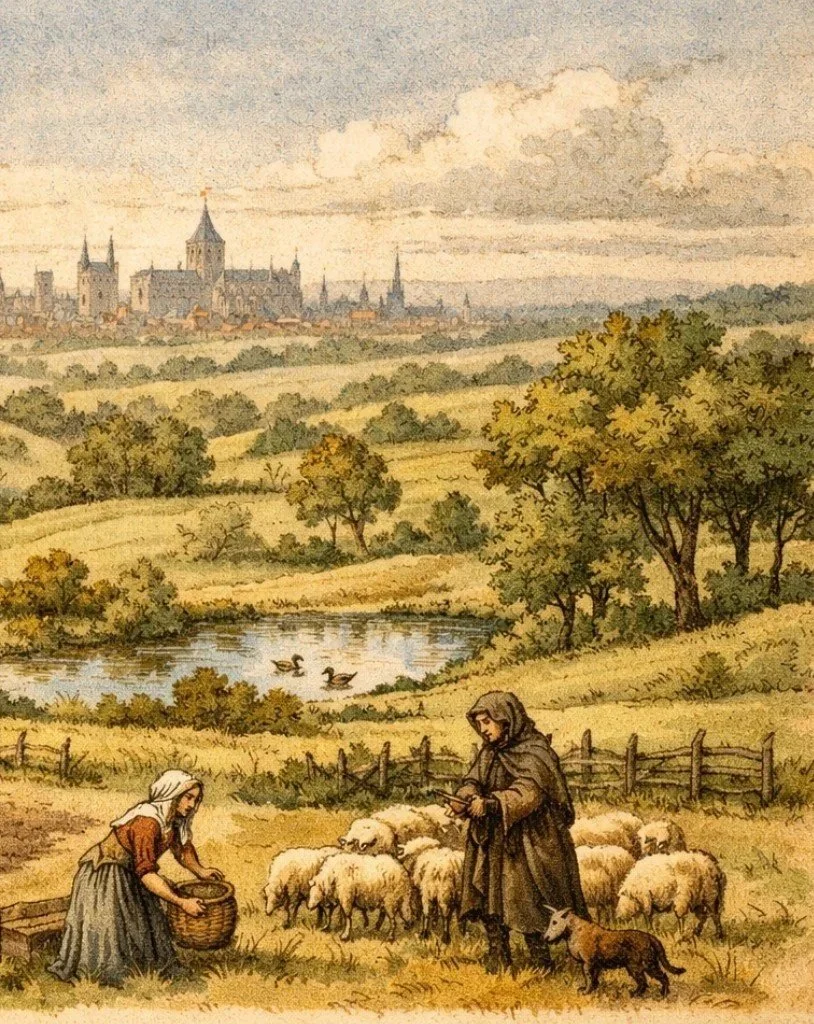
1352-1537
Brockwell Park & Tulse Hill forms one rural estate owned by St Thomas’ Hospital
1352 - 1537 owned by St Thomas’ Hospital
Brockwell Hall did not exist. Instead there was a Tudor structure near Norwood Road.
It was a landscape of medieval manors, agricultural fields and ancient woodlands
During this medieval period of history, the estate was owned by the ‘Hospital of St Thomas the Martyr’ in Southwark - a monastic esablishment. It was used to provide for the ‘sustentation of the poor sick’. The area corresponds to the medieval manors of Bodley, Upgrove and Scarlettes. At that time the rural estate was significantly larger than the current modern park - roughly twice the size which encompassed the Tulse hill area. The iconic oak tree near the current Brockwell Hall is 500-700 years old, meaning it would have been a young sapling in the early 1400s!

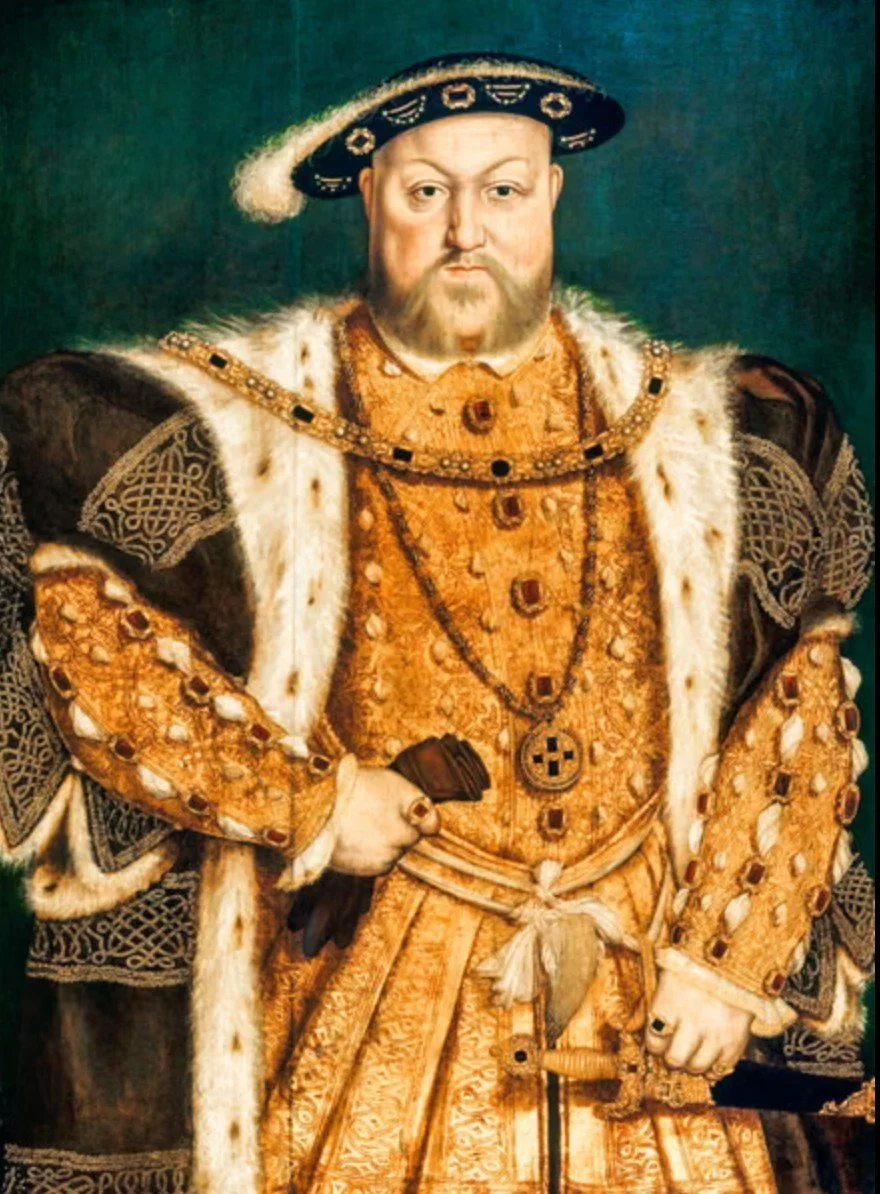
1537-1600s
King Henry VIII seizes the monastic estates and distributes the land
1537 - King Henry VIII seizes the estates
The Crown then granted or sold the land over time to boost income and loyalty
In the late 1600s Sir Henry Tulse acquired what is now Tulse Hill and the surrounding areas
Henry VIII seized the monastic estates around 1537 under the ‘Dissolution of the Monastries’ spurred by his desire to be the head of the Church of England and boost his own wealth. Following this the land changes ownership several times as it is granted or sold to loyal nobles, courtiers or wealthy officials and by the 1650s was in the hands of the Tulse famly. Sir Henry Tulse was Lord Mayor of London in 1684. The original Brockwell hall stood near Norwood Road, roughly opposite Rosendale Road. It is described in 1563 as ‘Brockalle’ and other Tudor records refer to Brockholds or Brockholle Lane as the road past it.
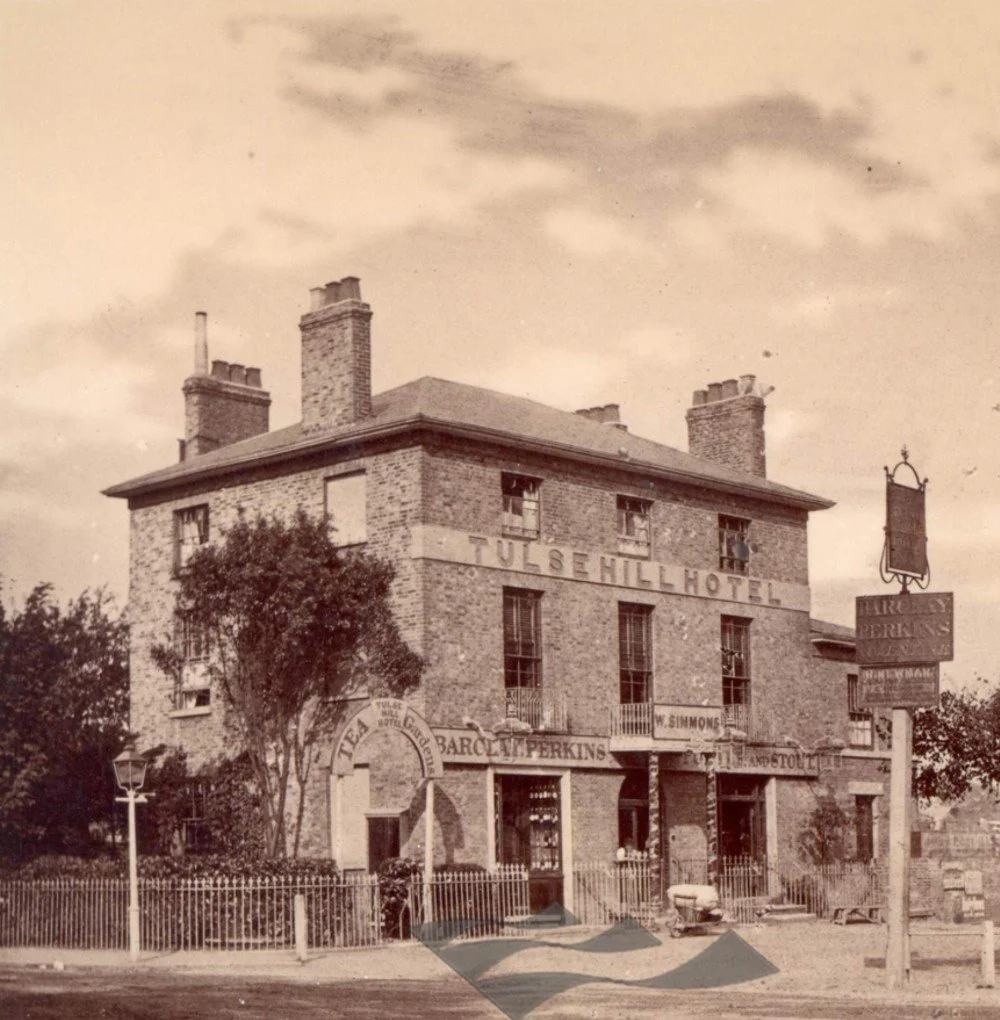
Late 1600s - mid 1700s
Sir Henry Tulse owned a significant estate on the hill known today as ‘Tulse Hill’
Sir Henry Tulse owned a significant part of the estate
Still mostly green and rural land and lightly populated
As Lord Mayor, Sir Henry Tulse was only responsible for the ‘walled city’ and had no power to develop or improve the area
After the upheaval of the ‘Dissolution of the Monasteries, Sir Henry Tulse owned a significant estate on the hill and has given the area west of the park its current name of ‘Tulse Hill’. After Tulse’s death his estate was divided and sold off, and again passed through multiple owners - often held by minor gentry and wealthy London merchants. The land was still rural, agricultural and sparsely populated. It had stopped being one single medieval style estate and became several separate holdings. Into the 1700s some large houses began to appear, owned by wealthy Londoners seeking country retreats.
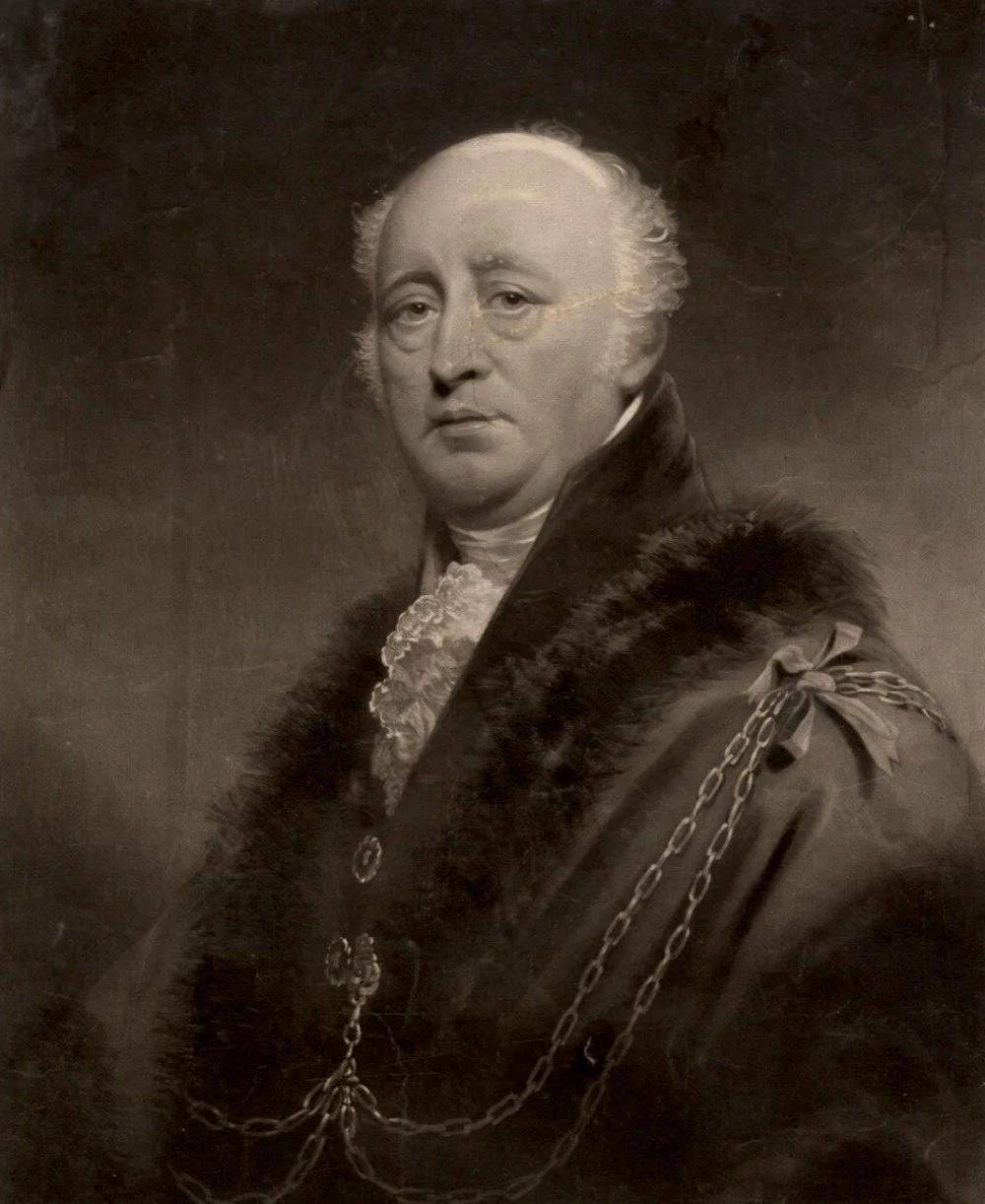
1800s
John Blades transforms the land that eventually becomes Brockwell Park
1811-1813 John Blades buys most of the Eastern portion
He demolishes the old hall by Norwood Road and builds a new house Brockwell Hall on the top of the hill.
This forms the bones of what we now know as Brockwell Park
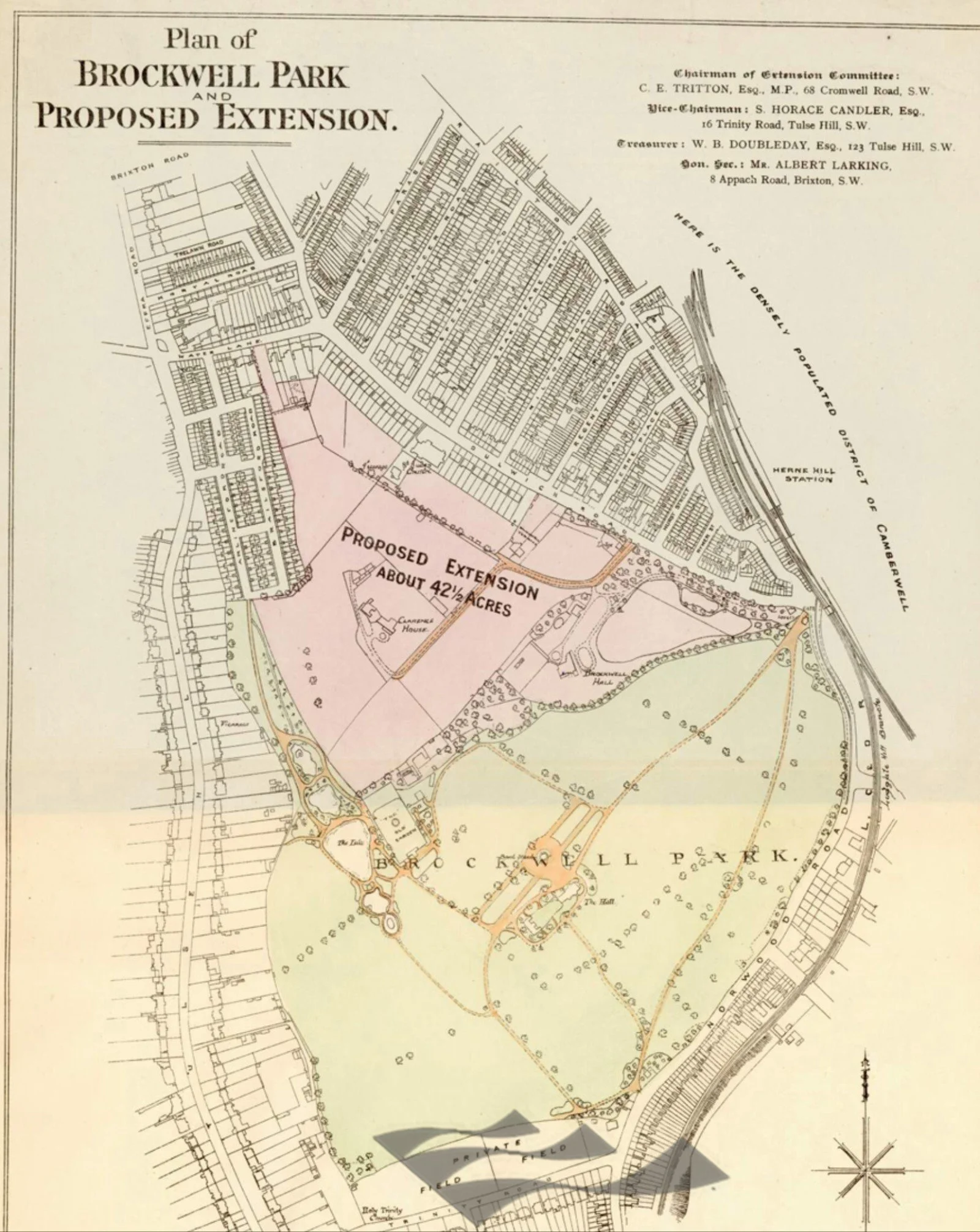
John Blades was a successful London glass merchant. In 1811-1813 he hired the architect Roper to design the large, neoclassical country house Brockwell Hall which still stands on its current site. His private garden grew vegetables for the kitchen and is now known as the Walled Garden. His friend and landscape architect J.B.Papworth laid out most of the grounds. Clarence Lodge was built in 1825 (where the BMX track is today). Blades’ grandson inherited the estate in 1862 - the same year as the opening of Herne Hill station.
1892 - 1923
Thomas Bristowe drives the campaign for a public park which opens in 1892
1892 Bristowe establishes the area as a public park
More acres are added over the next decade to expand the park
Final acres are added in 1901 to form the current layout and the last house demolished in 1923
In 1888 owner Joshua Blackburn died and the Lambeth Vestry obtained consent to make a small public park on the east side of Brixton hill. Norwood’s MP Thomas Bristowe fought for a larger site raising funds to establish Brockwell Park. He died on the steps of Brockwell Hall just after the formal opening ceremony on 6 June 1892. Over the next 10 years the remainder of the estate was added to the park including 43 acres in 1903 from the trustees of J.J.B.Blackburn (Blades’ great grandson) - the last house was demolished in 1923 and incorporated into the park.
1892-early 1900s
A swimming pond, bandstand and children’s gymnasium provide recreation
1895- 1901 The Walled Garden Conversion
February 1903 A formal re-opening of the park
Swimming took place in the main pond and the bandstand hosted Sunday perfomances
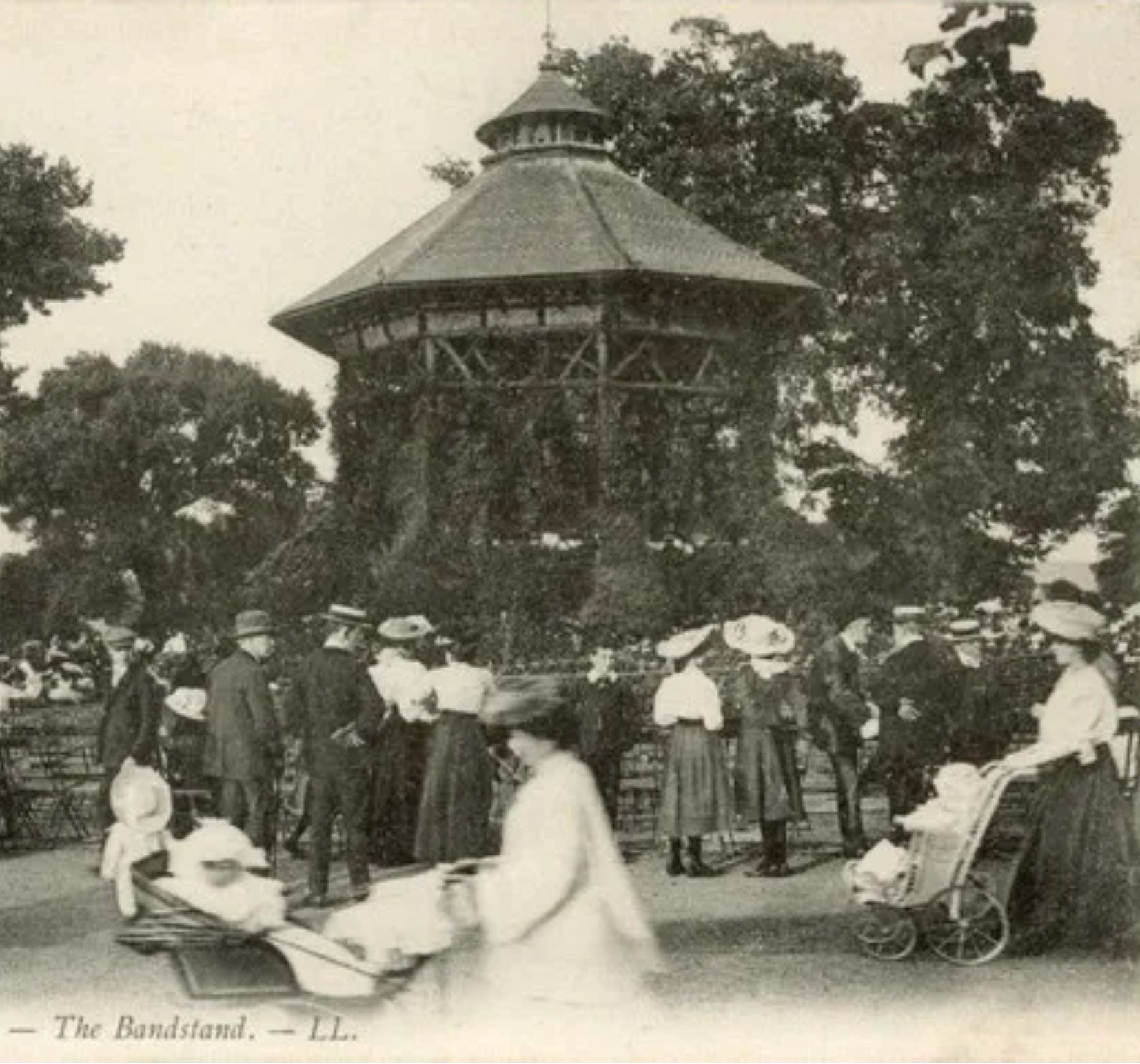
J.J. Sexby, the Chief Officer of Parks of the LCC, designed the conversion of the estate into a public park stating that ‘When it was bought for the people of London, it was already a park - not a park site.’ Sexby introduced recreational activities, a swimming pond, lakes and cascades, a rustic bandstand and floral carpet bedding near the Hall. Tea rooms operated in the hall from the beginning and a children's gymnasium was installed in the stable yard between the hall and the stable block.
1892 - 1930s
Local residents petition for a swimming pond which opened in 1892
Opened 1892 to men and children only
Partly concreted in 1900 for sanitation issues
Women allowed to swim from 1929
By 1937 it had been “left to model boats and geese”
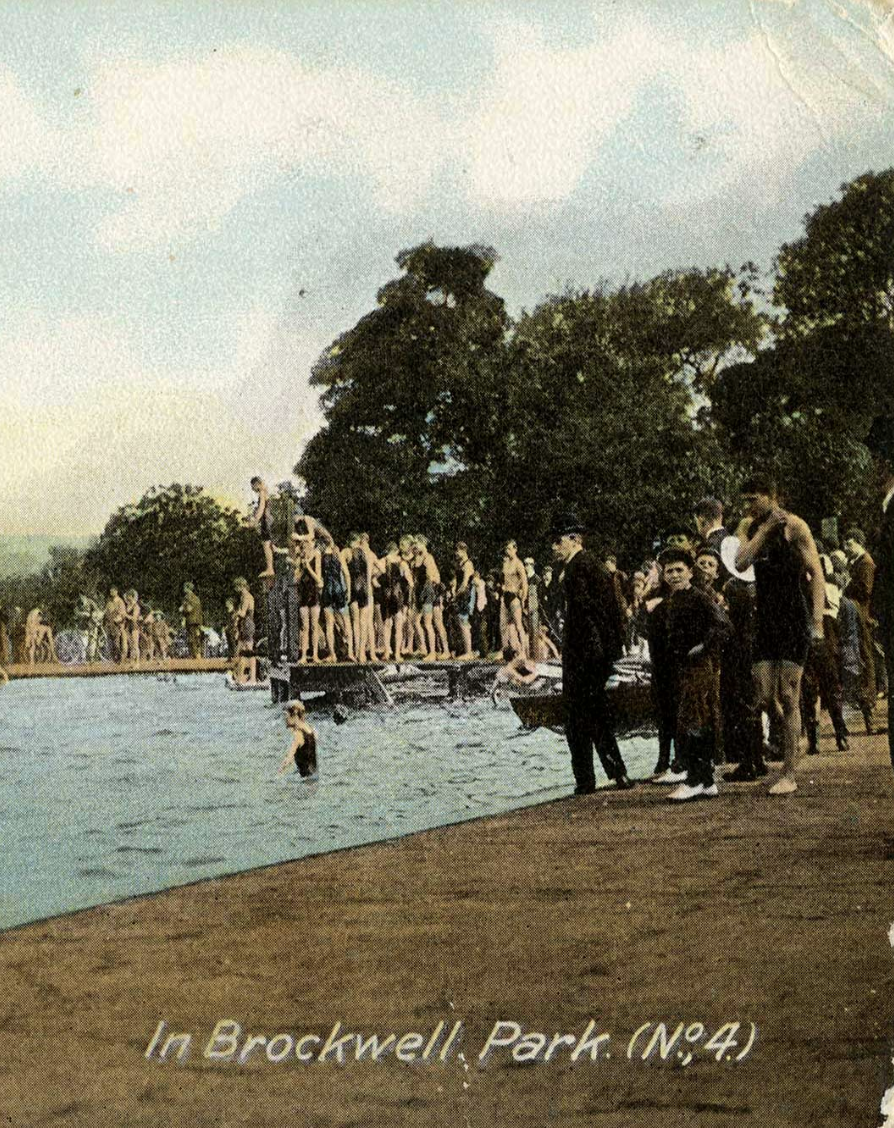
In 1891 local residents petitioned for a pond in the newly purchased Brockwell Park. When the bathing pond was first built in 1892 only men and children were permitted to swim with women finally allowed to bathe in the lake starting in 1929. The lake was partly concreted in 1900 to address sanitation issues as the pond was so popular it created a health hazard. By the mid-1930s, the London County Council proposed closing the natural pond in favour of a modern, chlorinated, outdoor pool which became today’s Lido opening in 1937.
1939-1945
The 20th century brings more change as World War II impacts the use of the park
Early 1940 Searchlight units were installed near the hall to track enemy aircraft
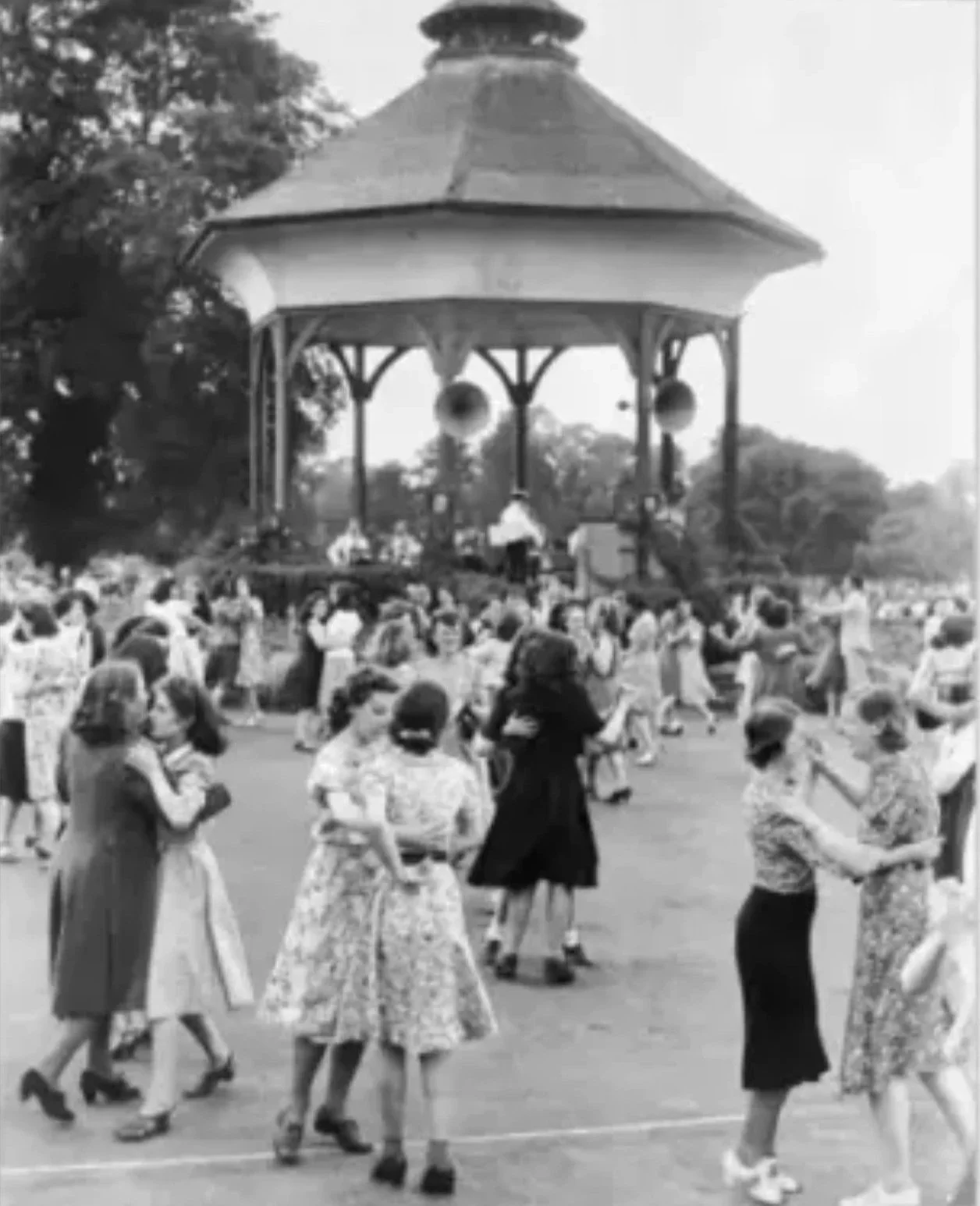
1941-1942 Wartime tea dances and ‘Pig Clubs’ were introduced
1943 The original Victorian bandstand was replaced by a larger open-air theatre
The Victorian bandstand was demolished during World War II to make way for a more versatile open-air theatre allowing for larger scale productions. The park itself was a target for enemy aircraft due to its use for military training and searchlight units. In response to wartime meat rationing the government encouraged ‘Pig Clubs’ where neighbours pooled resources to rear pigs. There were three sites in Brockwell Park. Large areas of parkland were also dug up for allotments as part of the ‘Dig for Victory’ campaign, providing families with essential vegetables.
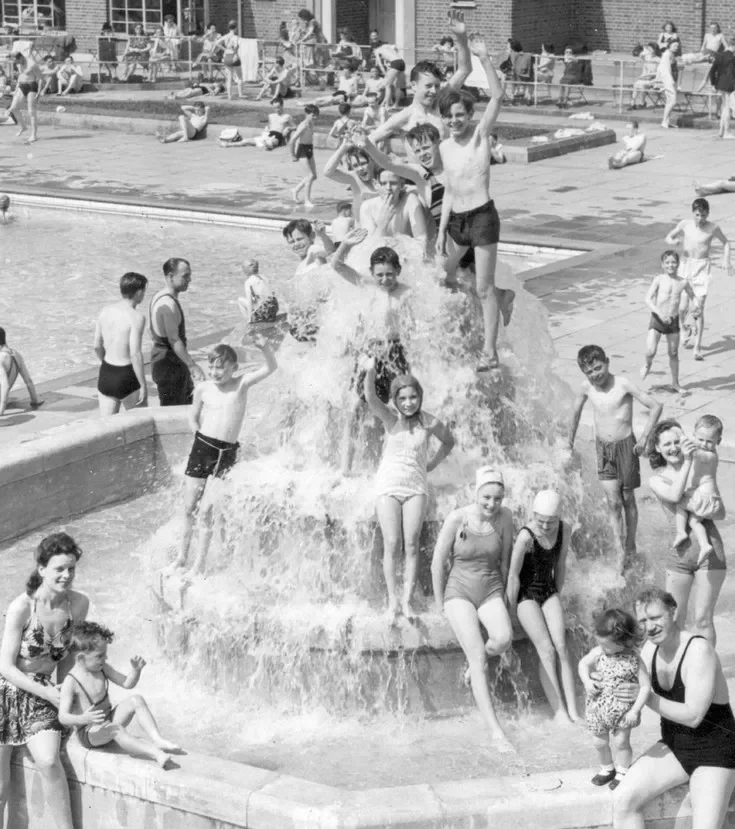
1937
Built in the classic Art Deco style the Brockwell Lido opens to great fanfare
Designed by Harry Rowbotham & T.L.Smithson
Classic ‘Art Deco’ architecture Grade II listed in 2003
1935 - 1937 Dug by hand by Irish workers
Boasted a diving stage and was used in the London Swimming Championships
On Saturday 10 July 1937 the Brockwell Lido held it’s grand opening. Famously, Thelma Phelps - a 15 year old schoolgirl - was thrown into the pond by the Mayor of Lambeth to declare the Lido officially open. It featured a deep end of 9ft 6in to allow for a diving stage and springboards, which were used during the London Swimming Championships from 1947-1968. They included diving and water polo as well as competitive swimming races. The diving boards and multi-level stage were removed from the Lido in 1972 amid safety concerns and increasing insurance liabilities.
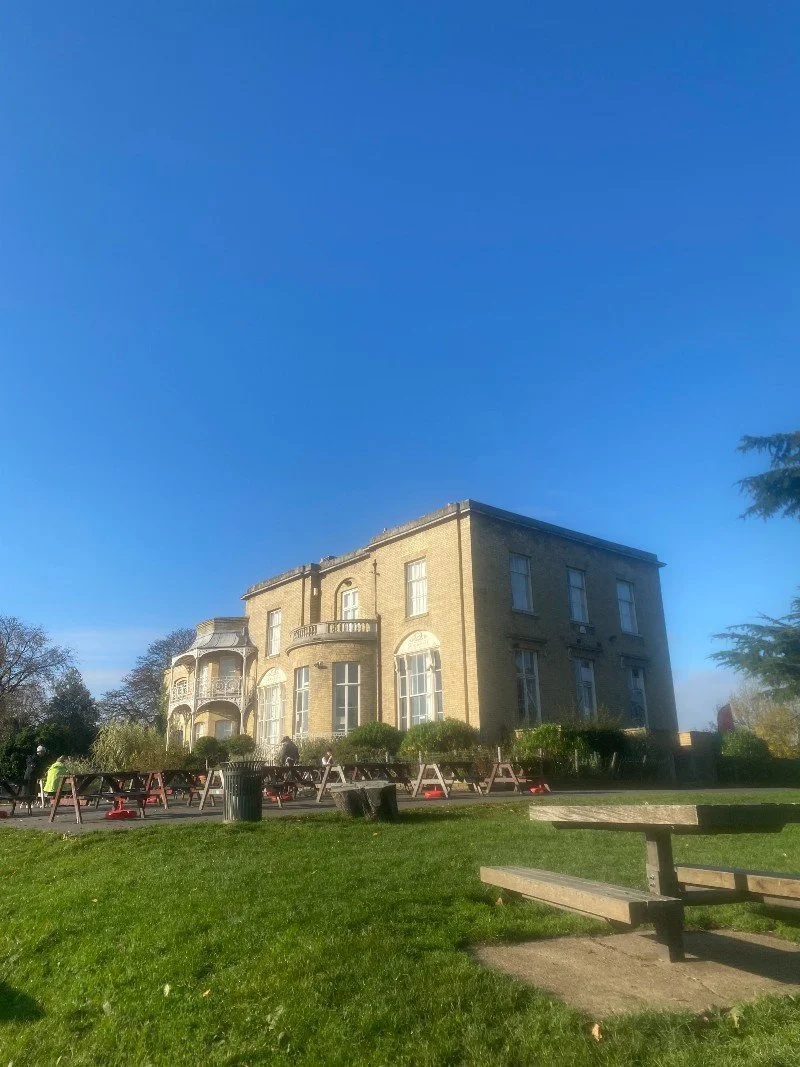
1940s - today
Budget cuts, renovation and community all play a part in today’s Brockwell Park
1998 Greenhouses re-opened by community
2007 major Lido renovation
2012 Walled Garden restoration
2025 Brockwell Hall reopens following major renovation
1974 - 2025 The Lambeth Country Show closes after 51 years
New access was created from Tulse Hill though the developing housing estate. From 1951-1961 the original miniature railway operated along the park’s edge before closing for several decades and finally re-opening in 2003. The Lido was also closed in 1990 due to budget cuts but was re-opened in 1994 and underwent a major renovation in 2007. The first free Lambeth Country Show was held in 1974 - but was sadly cancelled for 2026 with Lambeth Council citing budget cuts. In 2010 The Brockwell Park Community Greenhouses became a registered charity - one of the key community-led charities that work together to protect the park.
Donate to our cause!
If our potted history of Brockwell Park has inspired you to get involved then please consider making a one off donation - or even better join us and become a member of the Friends of Brockwell Park. With your regular small donation you are helping to protect the park for generations to come and ensure it stays open for all!